A health card is a health insurance identity proof that holds your personal details, policy information and financial coverage under a health insurance plan. It offers cashless payment options to pay for your medical bills arising from hospitalisation and other treatment charges. They can also get the expenses paid by the insurance provider directly. This may be a flat rate or a percentage of the cost . If you see two numbers, the first is your cost when you see an in-network provider, and the second—usually higher—is your cost when you see an out-of-network provider. For example, when you're referred to a specific specialist or sent to a specific hospital, they may not be in your insurer's network.

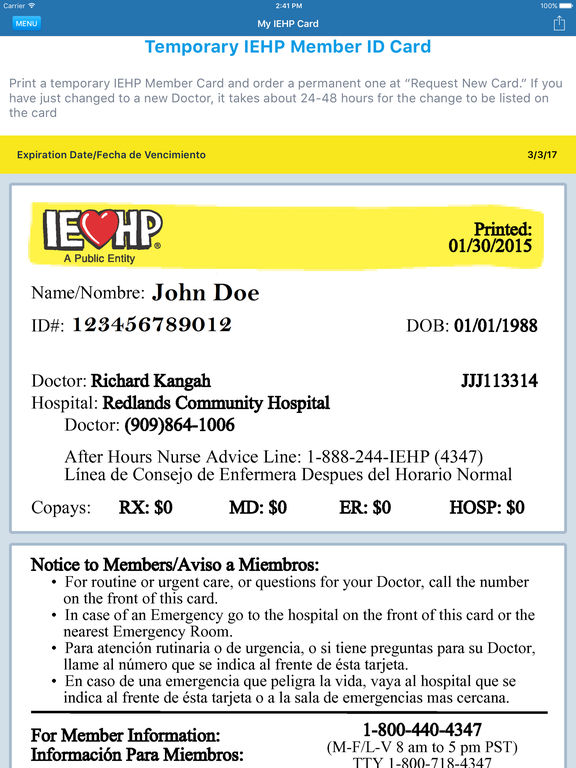
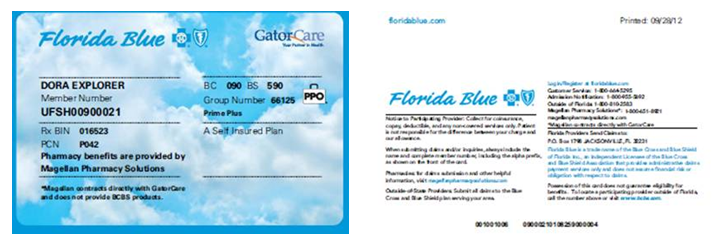
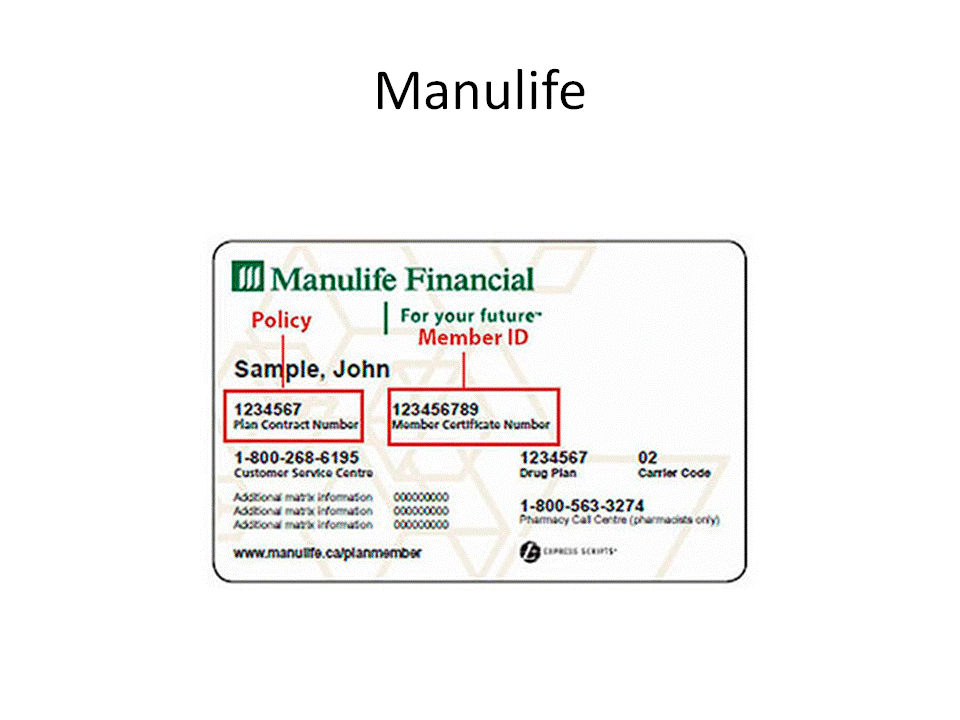
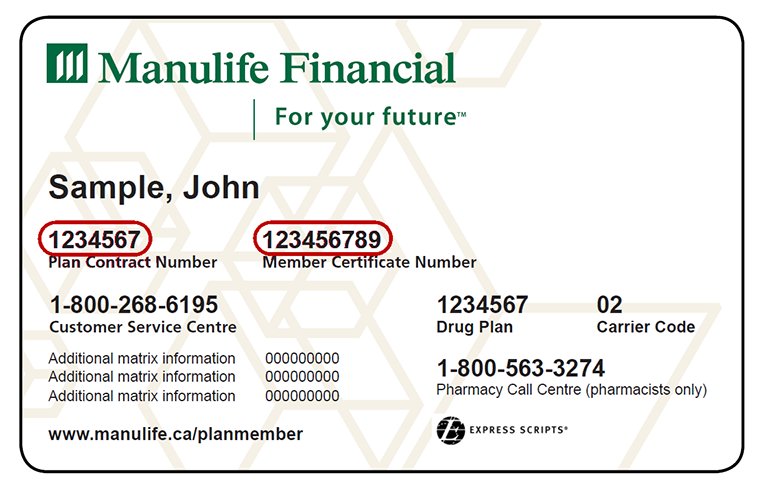
It's also the number health insurers use to look up specific members and answer questions about claims and benefits. This number is always on the front of the card. If you're the policyholder, the last two digits in your number might be 00, while others on the policy might have numbers ending in 01, 02, etc.

A network is a group of health care providers. It includes doctors, dentists and hospitals. The health care providers in the network sign a contract with a health plan to provide services. Usually, the network provides services at a special rate.
With some health plans, people get more coverage when they get care in the network. Members can get care from any licensed doctor or hospital. They get the same level of benefits no matter who they see. The plan pays a percentage of each covered health care service.
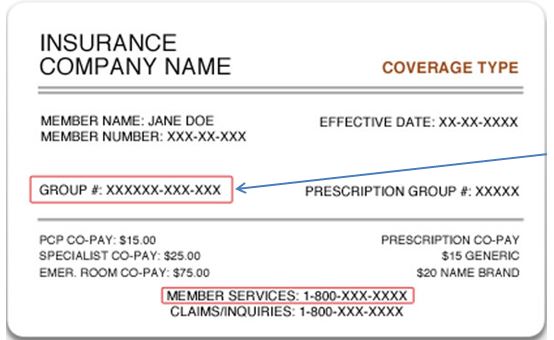
These plans often have deductibles, coinsurance and certain benefit maximums. If you do not see your coverage amounts and co-pays on your health insurance card, call your insurance company . Ask what your coverage amounts and co-pays are, and find out if you have different amounts and co-pays for different doctors and other health care providers.

This is the dollar amount you pay for health care expenses. In most plans, you pay this after you meet your deductible limit. For example, you pay a set dollar amount to your doctor for an office visit. So, if your copay is $25, you pay that amount when you go to your doctor. Copays are also used for some hospital outpatient care services in the original Medicare plan. In prescription drug plans, it is the amount you pay for covered drugs.

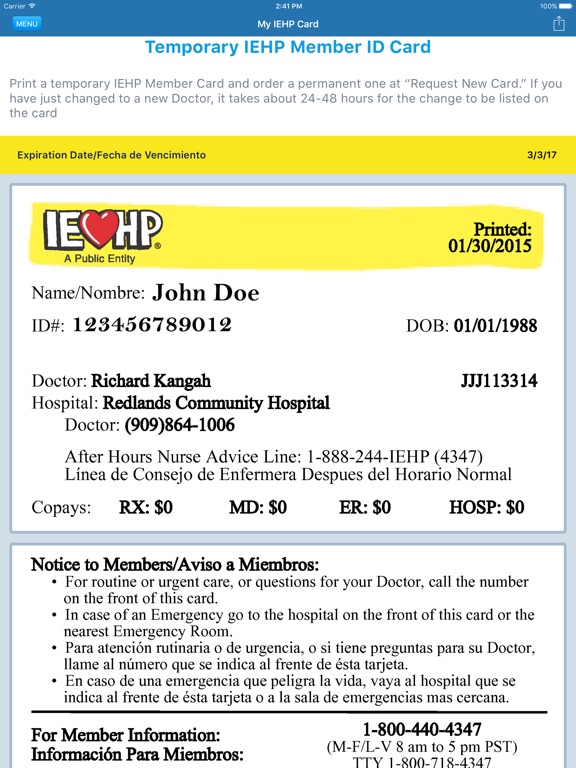
Finally, you might see a dollar amount, such as $10 or $25. This is usually the amount of your co-payment, or "co-pay." A co-pay is a set amount you pay for a certain type of care or medicine. Some health insurance plans do not have co-pays, but many do. If you see several dollar amounts, they might be for different types of care, such as office visits, specialty care, urgent care, and emergency room care. If you see 2 different amounts, you might have different co-pays for doctors in your insurance company's network and outside the network. Also known as independent practice association.
This is a group of doctors or other health care providers. They contract with one or more health plans to provide services. A member who sees a primary doctor in this group will be referred to specialists and hospitals in the same group. Members can go outside the group if the group can't handle their medical needs. Most health plans are required to cover preventive care without any cost-sharing. This means even if you haven't met your annual deductible, you can still receive preventive care services for free.
Preventive care benefits include immunizations, some cancer screenings, cholesterol screening, and counseling to improve your diet or stop smoking. You may be required to receive the preventive care from a doctor in your plan's network. You can find a list of all the free preventive care services here. Some plans that existed prior to 2010 that have not substantially changed -- known as grandfathered plans -- do not have to provide free preventive services.

Check with your insurance company or HR department to find out if your plan is grandfathered. Everybody with health insurance should have a doctor who will oversee their medical care. That means you will need to find a doctor -- also called your primary care physician -- who is taking on new patients.

If you have young children, you will need to find a pediatrician or family practice physician for their care. Call doctors on the list your insurance company gives you to confirm they are still in the plan's network. Once you've found a doctor who will take you as a patient, set an appointment for your first checkup.

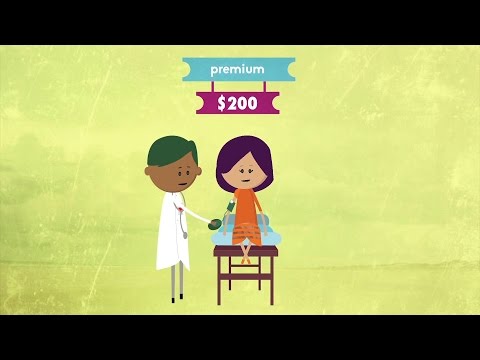
Health insurance helps pay for your health care. It can help cover services ranging from routine doctor visits to major medical costs from a serious illness or injury. It also covers many preventive services to keep you healthy. You pay a monthly bill called a premium to buy your health insurance and you may have to pay a portion of the cost of your care each time you receive medical services. If you were covered one year and you renewed and kept the same health insurance plan, you can keep your current card for the following year. They do not have to name a primary care physician.
Members who go to network providers usually get more coverage. Also known as preferred provider organization. Also known as health maintenance organization.
This is a health plan that arranges health care services for its members. In most HMO plans, members choose a primary care physician . The PCP is from the health plan's provider network. The PCP gives routine care and refers members to network doctors if special care is needed. You can get access to your health card when you purchase your health insurance plan.

The insurance provider will provide the medical insurance card and the policy document at policy issuance. If all your family members are covered under health insurance, every person will receive a separate and unique health card. The health insurance card is an official identity document of persons insured under the compulsory health insurance scheme.
The card is issued by the Health Insurance Institute of Slovenia . An insured person must submit the health insurance card when visiting a doctor, or when that person claims and enforces his/her health-related rights. The card enables a simple and fast data transfer among insured persons, insurance companies, and health care service professionals. An insurance plan that has contracts with health care providers for discounted charges.

What Is Policy Number On Uhc Insurance Card Typically, the plan offers significantly better benefits and lower costs to the patients for services received from preferred providers. A doctor, hospital, or other health care entity that is not part of an insurance plan's network. For medical services rendered by non-participating provider, the patient may be responsible for payment in full or higher costs. This is a doctor, hospital or other health care provider. The provider signs a contract with a health plan.

The provider is part of the plan's network for covered services. People may pay less when they visit this type of provider. The Affordable Care Act requires that all health plans sold to individuals or through small employers cover prescription medications. Pick a pharmacy close to where you live, and let your doctor or hospital know its name and phone number. Your medical team usually will call the pharmacy directly about the prescription you need.
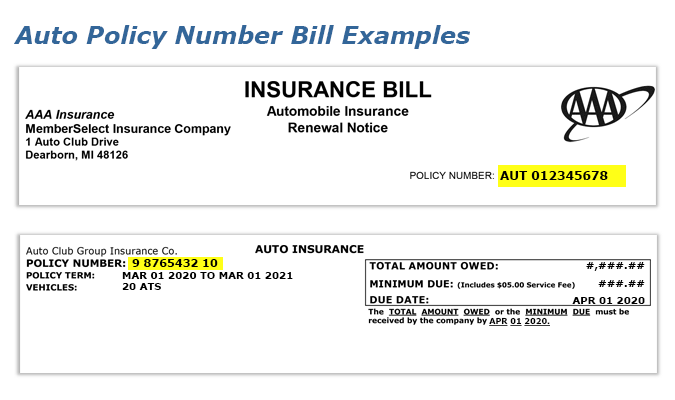
Otherwise, your doctor might give you a written prescription to take to the pharmacy. There are different types and benefits of health insurance plans and extended coverage options. For instance, the Tata AIG health insurance provides pre and post hospitalisation cover. In order to maintain a record of the treatment undertaken and the extent of financial support rendered by the insurer, a health card becomes essential. Your health insurance policy number is typically your member ID number. If you forget or aren't sure what type of health insurance plan you have , you can find out on your BCBS ID card.

If you have an HMO, your card may also list the physician or group you've selected for primary care. Determining whether a provider is in-network is an important part of choosing a primary care physician. A member ID number and group number allow healthcare providers to verify your coverage and file insurance claims for health care services. It also helps UnitedHealthcare advocates answer questions about benefits and claims. Policy Number - a number that the insurance company assigns the patient to identify the contract for coverage. A group of doctors, hospitals, and other health care providers that have a contract with an insurance plan to provide services to its patients.

This is the card members get when they join a health plan. It helps doctors and other health care providers know what coverage a patient has. It shows the member's assigned plan number and plan contact information.

The card should be shown at every health care visit. Members should show the card at every health care visit. Also known as the Health Insurance Portability and Accountability Act. It limits the rules a group health plan can place on benefits for pre-existing health problems. It was passed to give people access to quality health care coverage when they switch jobs. This law does not let group health plans charge higher rates because of a person's prior health status.
It can also limit rules on some individual health plans. The law also helps protect private health information. It sets national standards for handling private health records. It gives people access to quality health care coverage when they switch jobs. This law does not let group health plans charge a higher rate because of a person's prior health status.

This is any plan that helps pay for health care services. Some are limited to certain types of services. Some plans cover only hospitalizations, for example. Some offer access to network doctors only.

The health insurance card can be used in case of hospitalization in any of the network hospitals of the insurance company. This helps the insurance holder to avail the cashless treatments in case of hospitalization. At the time of hospitalization, the policyholder will be required to present the health card to the hospital authority.
You might see another list with 2 different percent amounts. To find out if a provider is "in network" contact your insurance company. A private insurance plan that accepts people with Medicare.They may go to any Medicare-approved doctor or hospital that accepts the plan's payment. The insurance plan, rather than the Medicare program, decides how much it will pay and what the beneficiary will pay for the services they get.
The beneficiary may pay more for Medicare-covered benefits. They may have extra benefits the Original Medicare Plan does not cover. An alternative to the Original Medicare Plan which replaces the Original Medicare Plan and often named as Senior plans following the name of the insurance. A doctor, hospital, or other health care entity that is part of an insurance plan's network.
They agree to accept insurance payment for covered medical services as payment in full, less any patient liability. Under M+C plans, patients receive medical services without additional out-of-pocket costs. You can use it to pay for covered health care costs. Or, you can save money in it for future health care costs.

You can take your account with you if you leave your job. You must be covered by a high-deductible health plan to qualify for an HSA. Or you can save money in it for future health care costs. You must be covered by a highdeductible health plan to qualify for an HSA.
Copayments, or copays for short, are fixed amounts you pay for covered services. For instance, you might have a $10 copay every time you see your primary care doctor or $30 every time you see a specialist. This amount stays the same no matter how much the visit costs. Each insurance company has different rules for using health care benefits. In general, you will give your insurance information to your doctor or hospital when you go for care.


